


Habitat gardens
Why Choose Local Indigenous Plants?
Indigenous plants have adapted to our local conditions over many thousands of years and are suited to the local soil, rainfall and topography.
In addition, they:
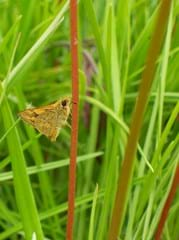
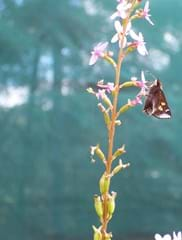
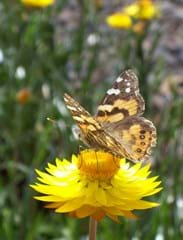
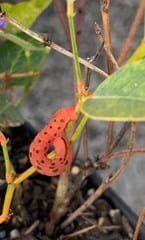
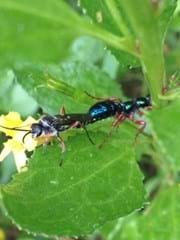
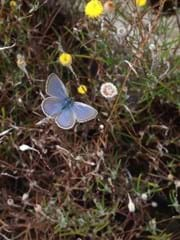
- attract birds, butterflies and frogs to your garden by providing seed, berries, perching sites and protection
- restore wildlife corridors, linking parks, habitat areas, remnant vegetation and flight zones
- require less maintenance, less pesticide and less fertilizer
- restore the local character of the area
- can be used in large and difficult areas, such as school yards and creek frontages to great effect and at low cost using tubestock plants
Designing With Native Plants
Formal
Many indigenous plants are accustomed to grazing by wallabies, so can be tip-pruned in the same way to create hedges and sculpted formal gardens. Low borders can be created with daisies and ground covers.
Natural
Be inspired by the Australian landscape, and create an informal garden for yourself and the birds.
Courtyards
Shade-loving lilies, bluebells and daisies can be grown in compact courtyards, creating butterfly gardens or, with a pond, frogscaping.
Mixed
Well grown indigenous plants can be a useful addition to a general garden, providing a lower maintenance area, or plants for that difficult area.
Cottage
Dense plantings using contrasting colour, texture, foliage and shape to create fascinating cottage garden effects with year-round interest.
Come and visit our comprehensive retail section at Yarra Bend Road, Fairfield, 3078.
Grow Guide: Summer suggestions for indigenous plant gardening

The Summer of '26-'27 is predicted to be a super El Nino climatic event. This means longer and hotter heatwaves, but what does that mean for our gardens and wildlife? It means finding ways to sustainably add water is critical! The power of water in the garden cannot be overstated. From simple terracotta plates with rocks, bird baths, to whole pond ecosystems, having a diverse range of water can increase wildlife visitors to your garden, and create new habitat niches for a host of aquatic plants.
Terracotta plates with rocks: These create landing pads for insects and allow reptiles to dip in and out of the water. Rest these on the ground or on shelving amongst your plants. Even better if you can run an irrigation dripper into it so it always has water and flushes any nasties!
Bird baths: Use copper bird baths as it kills mosquito larvae before they can grow into adults. There are expensive options you can find at quality garden centres, or you could repurpose a copper drum of some kind.
Water bowl: use a shallow water bowl (such as the one pictured) and add both rocks and a small, rambling plant such a Goodenia humilis.
Ponds (A sealed pot or in the ground): When potting up aquatic plants, use mostly inorganic soil mix like coarse river sand mixed with a heavy loam. Add a layer of sand and a thin layer of gravel to the top to help the plants sink and keep the soil in the pot. You can fully submerge plants such as Marsilea drummondii (Nardoo), Myriophyllum crispatum (Upright milfoil), Selliera radicans (Swamp weed), Carex tereticaulis (Rush sedge), Eleocharis acuta (Spikerush), Mazus pumilio (Swamp mazus), Bolboschoenus caldwellii (Marsh Club Rush) and some Juncus species to the bottom. You could also try experimenting with other riparian plants like Callistemon sieberi (River Bottlebrush) and Melaleucas. Use bricks to create shelving for plants that enjoy the damp fringes but not total submersion such as Xerochrysum palustre (Swamp Everlasting), Mentha australis (River Mint), Asperula conferta (Common Woodruff), Brachyscome paludicola (Swamp Daisy), Goodenia humilis (Swamp goodenia), Craspedia paludicola (Swamp Billy-buttons), and Ranunculus lappaceous (Australian buttercup).
Happy summer experimenting!